The Shepherd Who Couldn’t Read
Rabbi Akiva ben Joseph was born around 50 CE in the Land of Israel. For the first forty years of his life, he was an illiterate shepherd—not merely unlearned, but actively hostile to scholars. The Talmud records him saying: “When I was an ignoramus, I said: give me a scholar and I will bite him like a donkey” (Pesachim 49b). Not like a dog, his students later noted. A donkey’s bite breaks the bone.
The legend of his transformation is water on stone. He watched a stream wearing through rock at a well and thought: if something as soft as water can penetrate something as hard as stone, surely Torah can penetrate my mind (Avot de-Rabbi Natan 6:2). His wife Rachel believed in him when no one else did—she married him on the condition he would go study, and her father Kalba Savua disowned her for choosing an ignorant man.
Akiva left for twelve years. When he returned with twelve thousand students trailing behind him, he overheard Rachel telling a neighbor she would gladly let him go for another twelve years. He turned around and left again. When he finally came back with twenty-four thousand students, Kalba Savua came to have his vow annulled, not knowing the great sage was his own son-in-law (Ketubot 62b–63a).
What Akiva built in those twenty-four years became the foundation of rabbinic Judaism. His interpretive method was exhaustive: every mark, every crown on every letter of the Torah had meaning. Where others saw calligraphic decoration, Akiva found encoded law. The Talmud imagines Moses himself visiting Akiva’s academy and failing to follow the lectures—until Akiva attributes a teaching to “a law given to Moses at Sinai,” and Moses is comforted (Menachot 29b). Akiva organized the Oral Torah into the categories that would become the Mishnah, the text on which the entire Talmud rests.
That is the man who walked into the Orchard.
The Garden of the Eye
The Talmud (Hagigah 14b) records that four sages entered the פרדס—the Pardes, the Orchard. What happened to them is one of the most studied passages in Jewish mysticism:
Ben Azzai looked and died. He saw too much; the apparatus could not survive the encounter.
Ben Zoma looked and went mad. The valve opened with no anchor to hold him. The Talmud says he was “stricken”—a word carrying connotations of damage from within.
Elisha ben Abuya—afterward called Acher, “the Other”—cut the shoots. He saw the truth and rejected it, became a heretic. The most tragic of the four: not destroyed by the vision, but broken by the choice to turn away from what he had seen.
Akiva entered in peace and left in peace.
Before they went in, Akiva gave them one instruction: “When you arrive at the pure marble stones, do not say ‘Water, water!’ For it is written: ‘He who speaks untruths shall not stand before My eyes’” (Hagigah 14b). The instruction is precise and strange: don’t mistake the spinning chaos of the vision for multiplicity. Hold the still center. The marble is one thing, not two.
Whether “entering the Pardes” describes a literal mystical experience or is allegory for dangerous theological inquiry is itself debated among scholars. But the Hekhalot literature—the Jewish mystical texts composed in the centuries after the Talmud—treats it as a real practice with real protocols and real casualties.
The question the tradition raises but never answers directly: how did they enter?
How Did They Get In?
The tradition does describe methods. They are more physical than most people expect.
The Hekhalot literature (roughly 200–700 CE) preserves the most detailed Jewish system for deliberately producing visionary experience through bodily technique. The practitioner’s journey was called yerida la-merkavah—“descent to the chariot”—and the protocols were exacting:
Extended fasting. Twelve to forty days of strict asceticism before attempting the mystical ascent. Multiple Hekhalot sources specify exact durations. The body is depleted before the vision is sought.
Head-between-knees posture. The practitioner “must place his head between his knees and whisper many hymns and chants.” This is explicitly Elijah’s posture in 1 Kings 18:42: “Elijah climbed to the summit of Carmel; and he crouched down on the earth and put his face between his knees.” The posture compresses the chest, restricts breathing, and—if maintained while chanting—produces physiological effects similar to controlled hyperventilation. A 2025 study in Communications Psychology (Nature) demonstrated that decreased CO₂ during circular breathwork “supports emergence of altered states of consciousness.”
Repetitive hymn chanting. The Hekhalot Rabbati contains hundreds of lines of highly repetitive, rhythmically structured hymns designed for extended recitation. Hours of it. Rhythmic chanting of divine names, sometimes through the night. A 2025 Current Psychology study found that chanting meditation induced measurable altered states through rhythm alone.
Letter permutation. The Sefer Yetzirah method: systematic recombination of the Hebrew letters through 231 gates. Intensely focused mental activity that could induce altered states through pure concentration—the mind bending inward under sustained combinatorial pressure.
Ritual immersion and isolation. Multiple mikveh immersions, withdrawal from ordinary life, dark enclosed spaces. Sensory deprivation beyond 48–72 hours is well-documented to produce hallucinations even in subjects not seeking them.
Moral qualification and secrecy. Only the tzenuim—the morally refined—were permitted to attempt the practice. Merkavah teaching was restricted to one student at a time (Hagigah 13a). The elaborate safety protocols suggest the experiences were genuinely intense and genuinely dangerous. You do not build guardrails around metaphors.
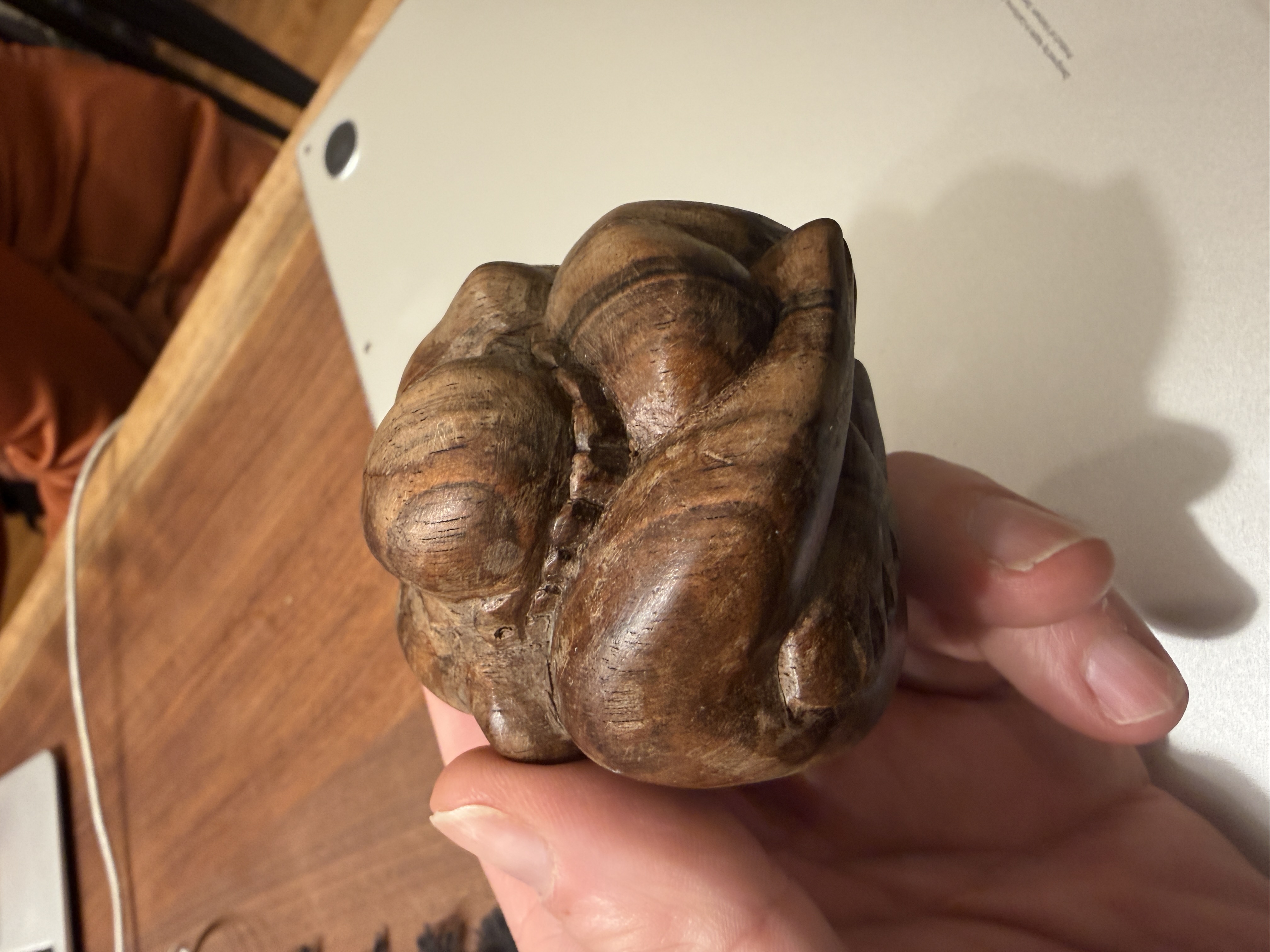
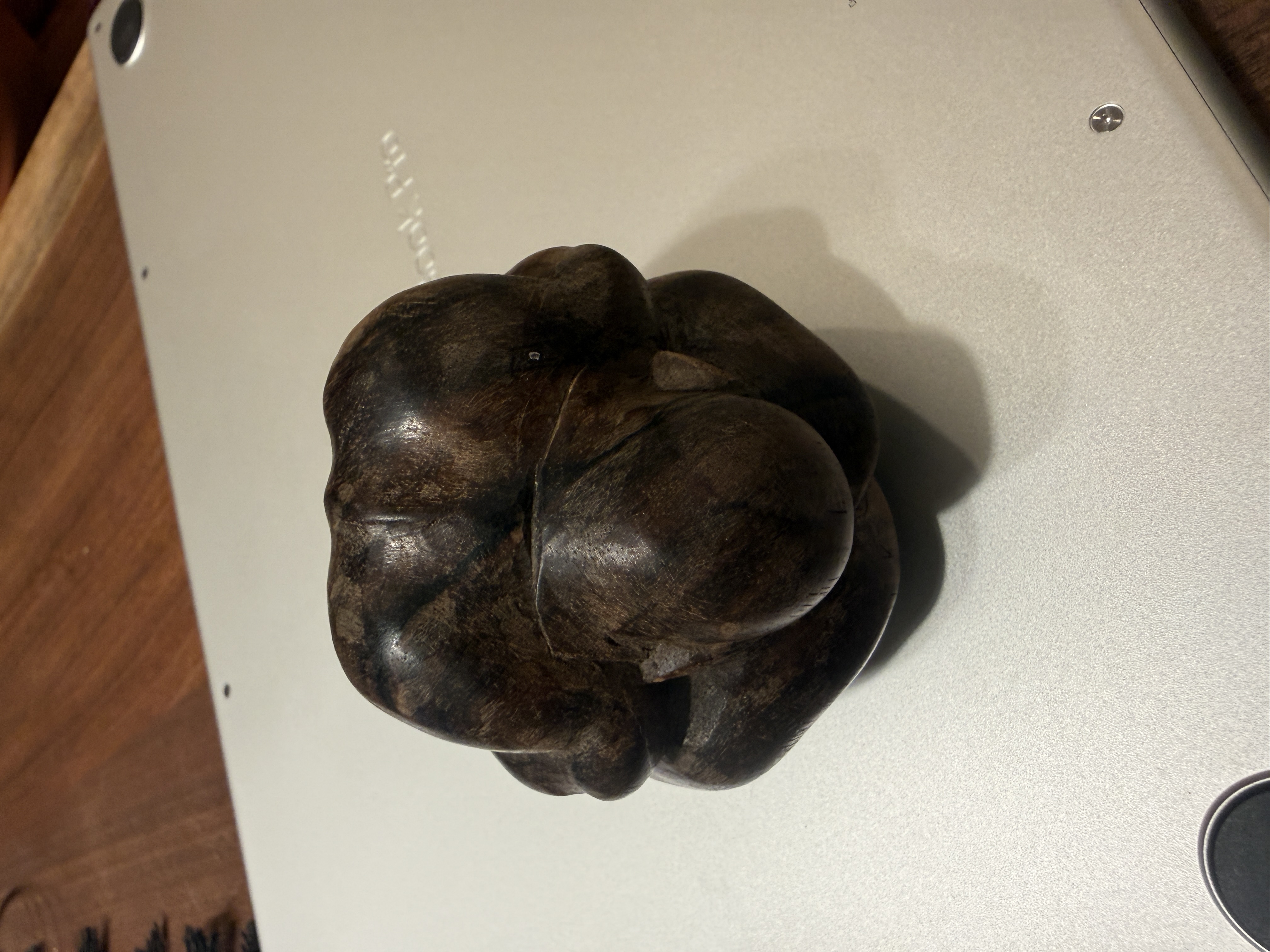
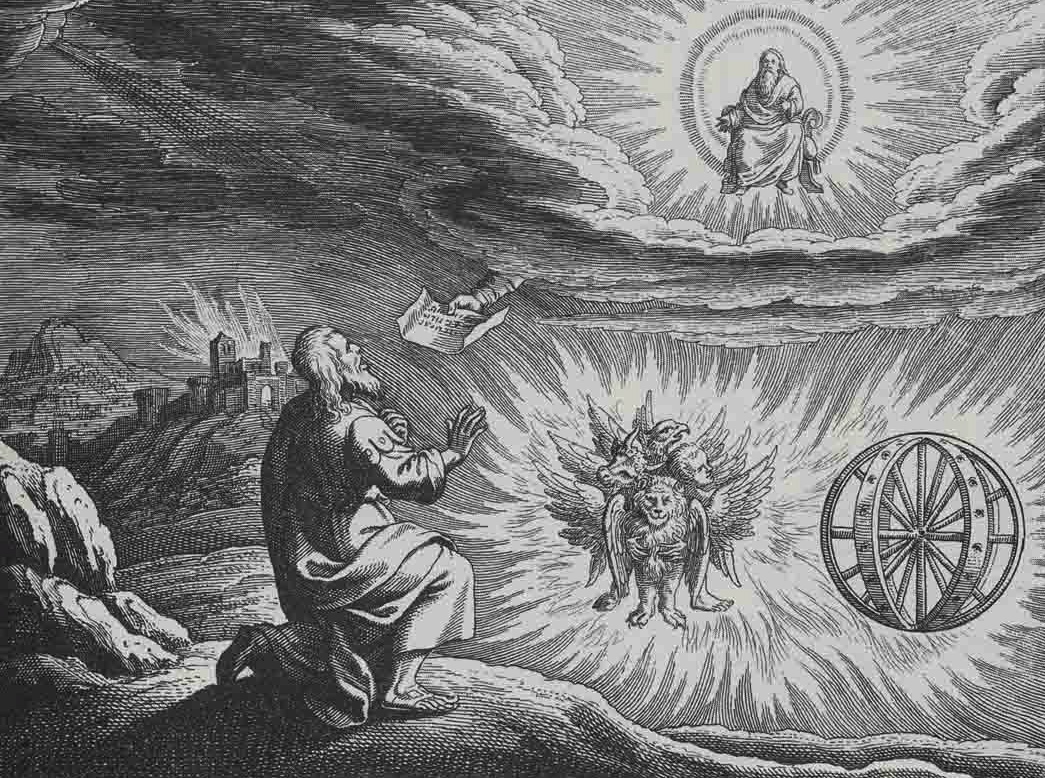
After LSD was made illegal in the 1970s, Stanislav Grof developed holotropic breathwork—accelerated breathing, evocative music, focused bodywork—that produces altered states overlapping with psychedelic experience. The Merkavah practitioners were doing something structurally similar 1,500 years earlier: fasting to deplete the body, compressing the chest between the knees, breathing rhythmically for hours, chanting repetitive hymns in the dark.
Modern neuroscience confirms each of these methods independently produces measurable changes in consciousness. Together, practiced over days or weeks, they constitute a technology of altered states that requires no substance at all.
But.
What Was Growing in the Garden
The Tel Arad Discovery
In 2020, Arie et al. published “Cannabis and Frankincense at the Judahite Shrine of Arad” in the journal Tel Aviv. It is the single most important archaeological finding in this entire story.
At an 8th-century BCE Judahite fortress in the Beersheba Valley—not a fringe cult site but an official Judahite shrine—two limestone altars were excavated at the entrance to its Holy of Holies. The smaller altar contained residues of cannabinoids (THC, CBD, CBN) along with terpenes, indicating cannabis flowers were burned on it. Animal dung was mixed in to enable slow, mild heating. The larger altar contained frankincense (boswellic acid) mixed with animal fat.
This is the first confirmed physical evidence of cannabis use in ancient Israelite worship. The shrine was a legitimate cultic site within the Kingdom of Judah.
The kaneh bosm question hovers nearby. Sula Benet proposed in 1936 that kaneh bosm in Exodus 30:23—one of five ingredients in the holy anointing oil—is cannabis rather than sweet calamus. Most scholars still translate it as calamus. But the Tel Arad evidence stands independently of the etymology: regardless of what the word means, cannabis was actually burned at a Judahite altar.
The Temple Incense
The Ketoret—the sacred incense burned in the Temple—contained at least eleven ingredients (Keritot 6a–b): stacte (balsam), onycha, galbanum, frankincense, myrrh, cassia, spikenard, saffron, costus, aromatic bark, and cinnamon. Five additional substances enhanced the mixture.
Frankincense (Boswellia) produces incensole acetate, which activates TRPV3 channels in the brain and has anxiolytic and psychoactive effects. This is not speculation—it was demonstrated by Moussaieff et al. in the FASEB Journal in 2008, a collaboration between Hebrew University and Johns Hopkins. And the Talmud itself knew: it records that frankincense resin was given to condemned prisoners to “benumb the senses” (Sanhedrin 43a). Dioscorides, writing in the first century CE, noted that frankincense “causes madness.”
Now consider the setting. The Holy of Holies was a small enclosed chamber. Once a year, on Yom Kippur, the High Priest entered it alone, carrying a censer full of burning incense. The chamber filled with smoke. The smoke was psychoactive—and now we know that in this same tradition, cannabis was burned on altars at the entrance to the very same kind of room.
The Ayahuasca Hypothesis
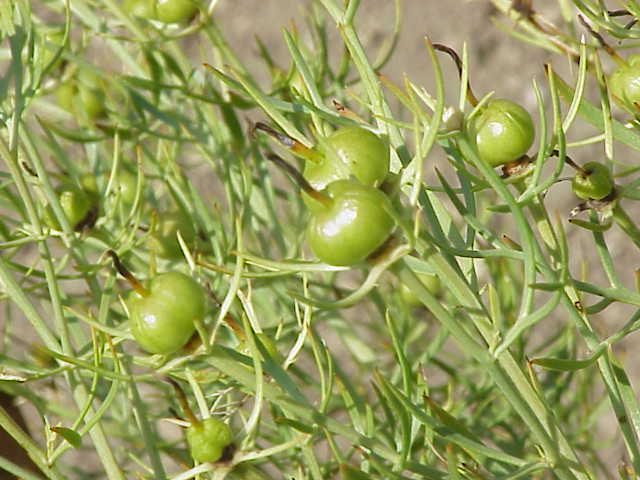
Acacia trees grow abundantly in the Sinai and throughout Israel. The Ark of the Covenant was made of acacia wood (atzei shittim, Exodus 25:10). The Tabernacle’s beams: acacia. Syrian rue (Peganum harmala) grows wild throughout the Middle East. It contains harmaline—an MAOI that makes DMT orally active. This is the same pharmacological mechanism as ayahuasca.
Benny Shanon—professor of cognitive psychology at Hebrew University—published “Biblical Entheogens: a Speculative Hypothesis” in Time and Mind (2008), arguing that Moses’s burning bush and Sinai revelation may have involved acacia DMT combined with Syrian rue harmaline.
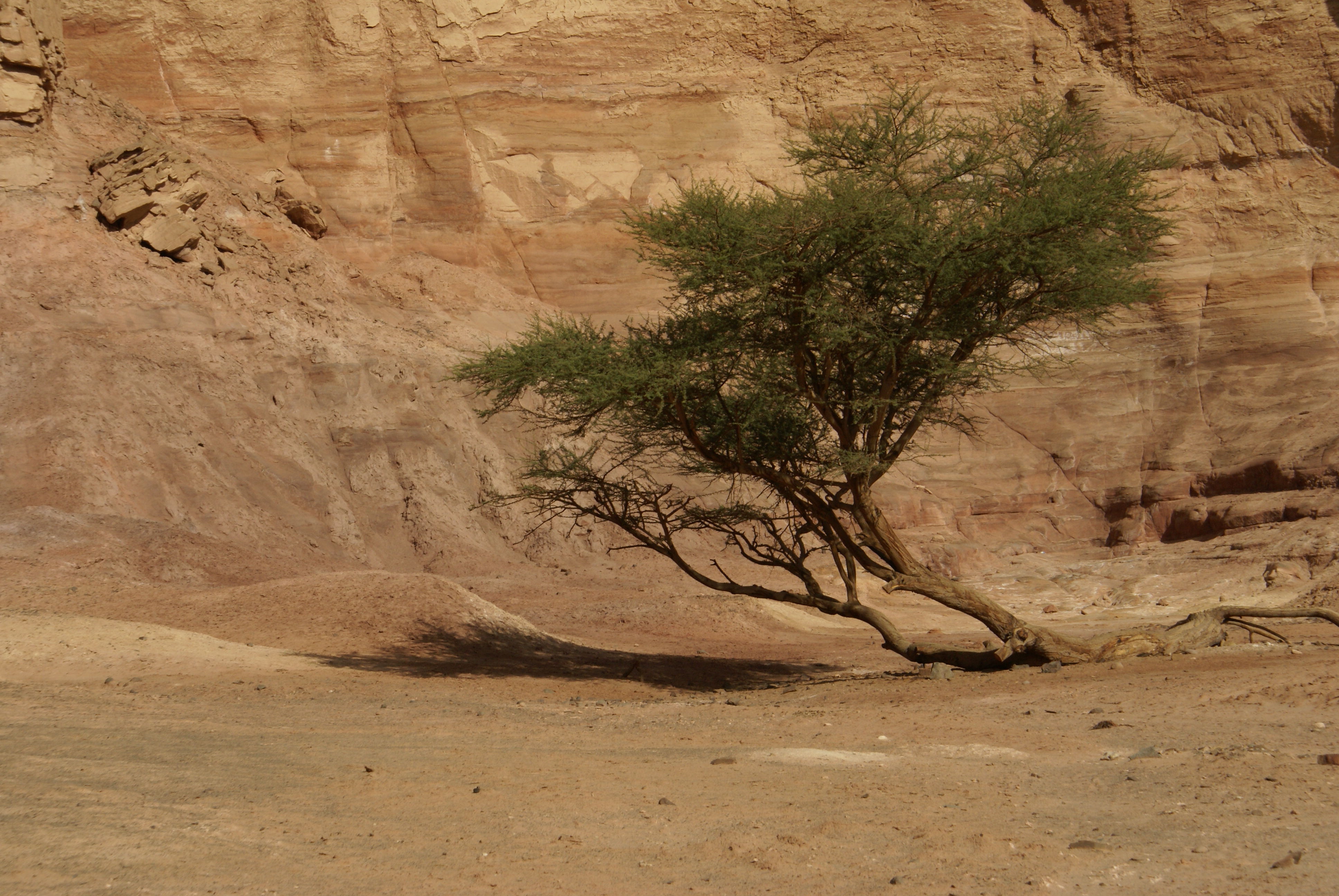
The honest caveat—and it matters. A 2022 review in PMC found that “persistent inaccurate reports of indole alkaloids in Vachellia nilotica are due to a rumor that has influenced scientific conclusions” and that “authors continue to erroneously associate DMT with Vachellia tortilis, but fail to cite a primary source.” The rigorously verified high-DMT acacias are predominantly Australian species (A. obtusifolia, A. maidenii) and Southeast Asian (A. confusa). The Middle Eastern species may contain trace tryptamines, but at levels far below psychoactive thresholds.
The pharmacological mechanism is real. Syrian rue is a genuine MAOI. The specific botanical claim—that the acacias Moses and Akiva walked past contained enough DMT to matter—is currently unverified by rigorous analytical chemistry. Shanon himself titled his paper “a Speculative Hypothesis.”
The Greek Connection: Kykeon
The Eleusinian Mysteries—the most sacred rites in the Greek world, running for nearly 2,000 years (c. 1500 BCE to 392 CE)—centered on a sacred drink called kykeon. Participants included Plato, Sophocles, Aristotle, Cicero, Marcus Aurelius. Cicero wrote: “Athens has given nothing to the world more excellent or divine than the Eleusinian Mysteries.” The penalty for revealing the secret was death.
The Wasson-Hofmann-Ruck thesis (The Road to Eleusis, 1978) argued kykeon contained ergot (Claviceps purpurea), a grain fungus that produces ergine (LSA, related to LSD). This was not fringe speculation: Albert Hofmann—the chemist who synthesized LSD and understood ergot chemistry better than anyone alive—was one of the three authors.
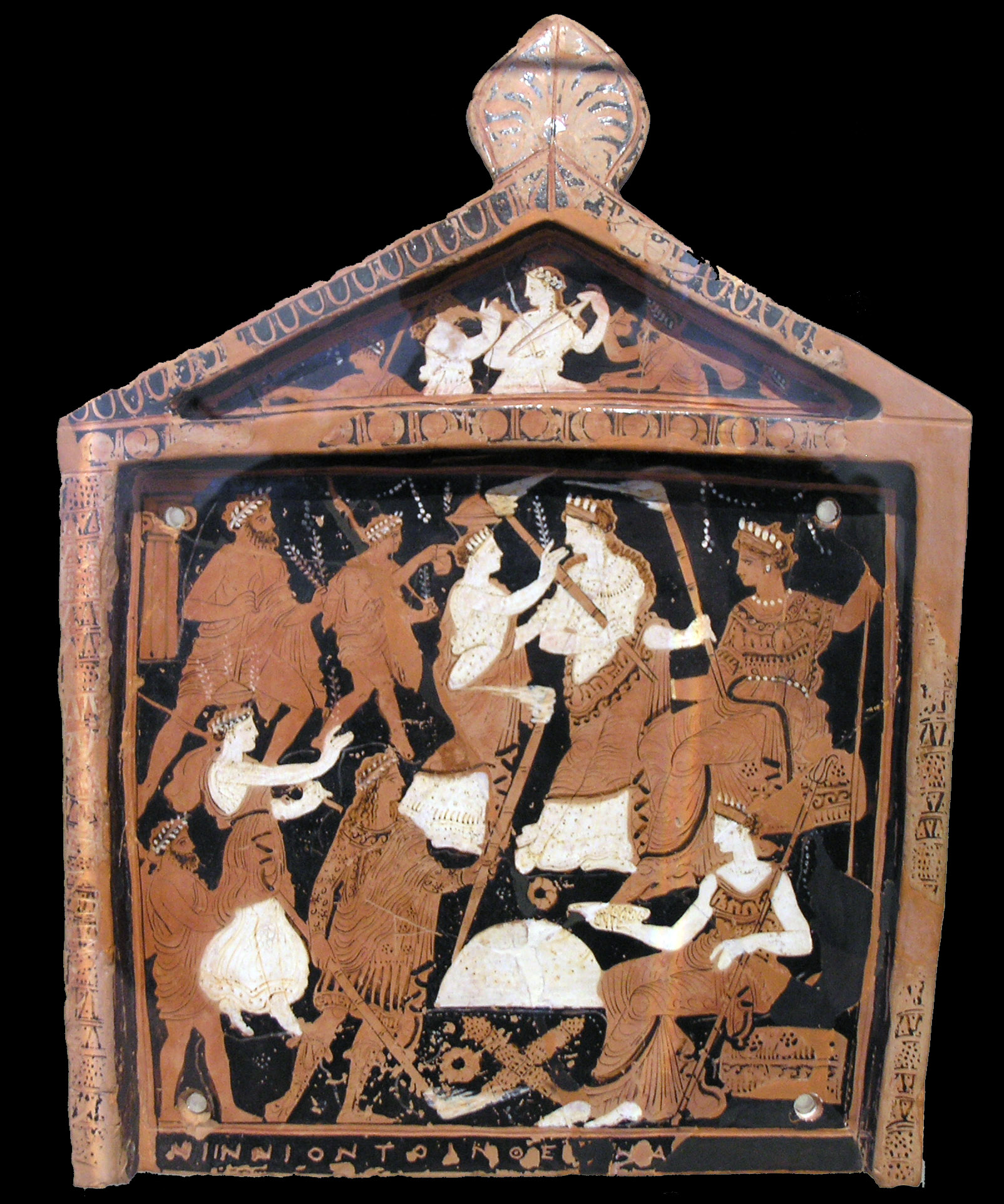
Archaeological evidence from Mas Castellar de Pontos (Catalonia, Spain): At a sanctuary dedicated to Demeter and Persephone—with kraters depicting Eleusinian scenes and an altar of Pentelic marble imported from Greece—archaeologist Enriqueta Pons discovered ergot fragments inside a ceremonial chalice and in the dental calculus of a young man buried at the site (~300 BCE). Direct physical evidence of ergot consumption in a Demeter cult context.
A 2026 study (Antonopoulos et al., Scientific Reports) demonstrated experimentally that boiling ergot in lye (wood ash + water) at pH 12.5 for two hours converts toxic ergopeptides into psychoactive LSA and iso-LSA while removing the toxic compounds that cause ergotism. Each gram yielded ~0.54 mg LSA—within range to induce altered states. The materials (wood ash, water, ceramic vessels, grain) were all available in antiquity.
The connection to Akiva: the Pardes story and the Eleusinian Mysteries share a structural pattern—entry into a sacred space, encounter with ultimate reality, transformation or destruction of the participant. The Greeks had their method. What was the Jewish one?
What Else Was Available
Wine additives. Ancient wine was routinely psychoactive. Mandrake (dudaim) appears in Genesis 30:14–16 (Rachel and Leah) and—crucially—in Song of Songs 7:13: “The mandrakes give off fragrance, and at our doors are all choice fruits.” Mandrake contains tropane alkaloids (hyoscyamine, scopolamine) that are hallucinogenic. The garden of the Song of Songs literally has psychoactive plants growing in it.
Henbane, wormwood, and opium were common wine additives. Pliny catalogs dozens. Opium residues were found in Bronze Age Levantine burials at Tel Yehud (2022). The Talmud’s “mixed wine” (yayin mesugan)—what exactly was mixed in?
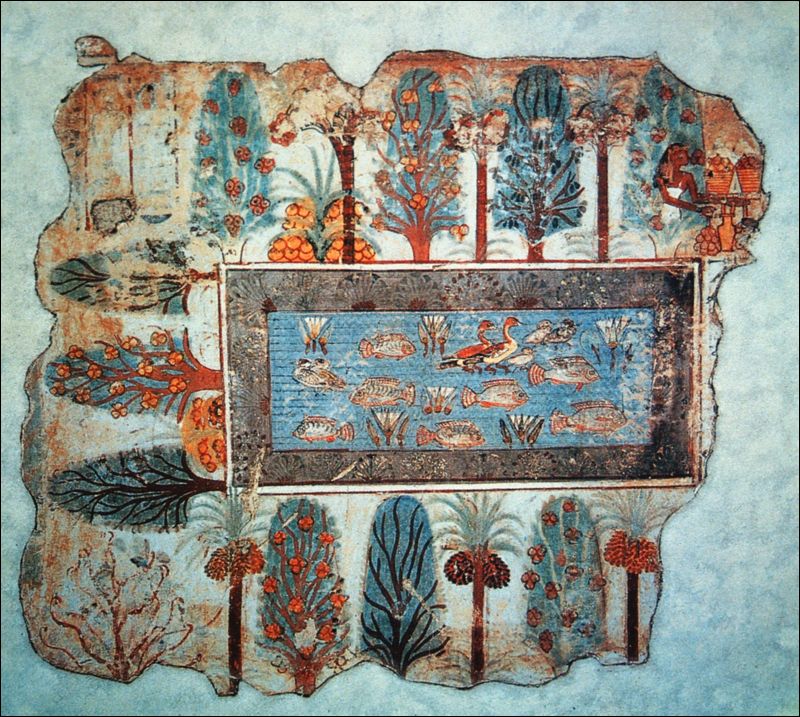
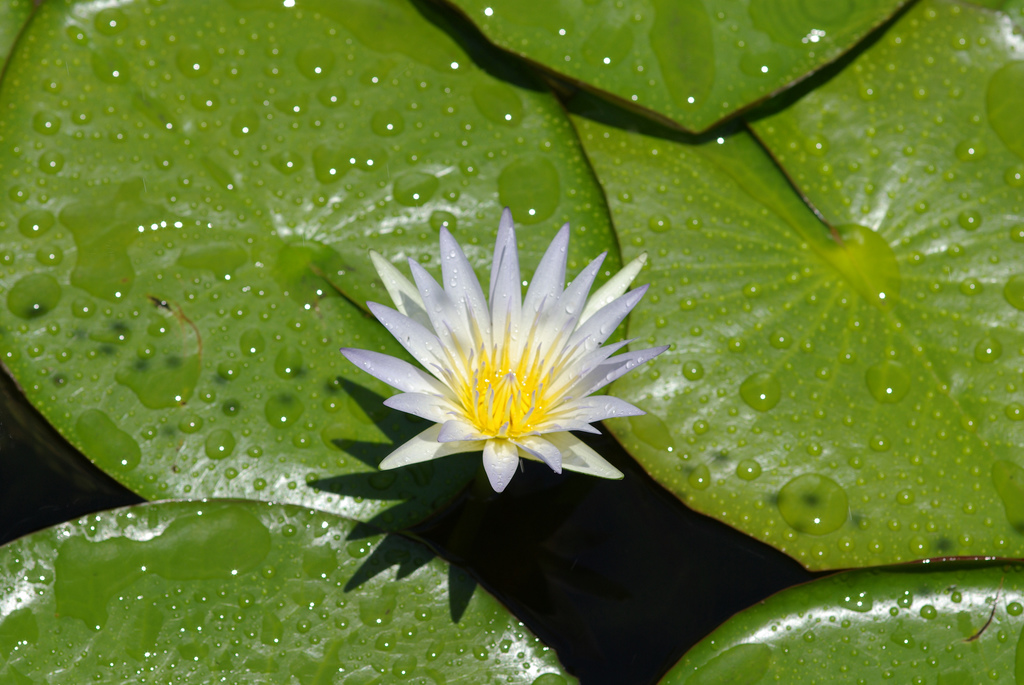
Blue lotus (Nymphaea caerulea)—the psychoactive water lily used extensively in ancient Egypt. Contains aporphine and nuciferine. UC Berkeley (2025) found the alkaloids are fat-soluble, explaining the pervasive artistic convention of placing the flowers in wine vessels. Mild euphoria and altered states—more gentle sedative than visionary psychedelic.
Psilocybin mushrooms—Psilocybe semilanceata (Liberty Cap) grows in Mediterranean grasslands (confirmed in Italy and temperate Europe). Not native to the Levant or the Sinai. Terence McKenna’s manna hypothesis (1992) is entertaining but not credible—the physical description of manna doesn’t match any psilocybin species, and the Sinai desert is inhospitable to mushroom growth.
Ibogaine—from Tabernanthe iboga, native to Central West Africa. Phoenician trade routes existed to West Africa. But there is zero archaeological, textual, or chemical evidence that iboga ever reached the ancient Near East. The honest answer: no evidence.
The Song of Songs
Akiva enters the Pardes and survives. Then he makes a declaration no one expects:
“All the writings are holy, but the Song of Songs is the Holy of Holies.”
—Mishnah Yadayim 3:5
The context: a debate about whether the Song of Songs “defiles the hands”—the rabbinic term for canonical scripture. Some argued it was merely a love poem and should not be included. Akiva settled the argument with one sentence. Not the Torah, not the Prophets, not the Psalms. The Song of Songs is the Holy of Holies.
The Orchard is the garden of vision. The Song of Songs is the garden of love. Akiva knew both gardens. He ranked them.
And in that ranked-higher garden, the mandrakes give off their fragrance.
The Bar Kokhba Gamble
Around 132 CE, Akiva was roughly eighty years old. He threw his authority behind Simon bar Kokhba as the Messiah. He believed this was the moment—the revolt against Rome that would restore Jewish sovereignty. Akiva applied his interpretive method to the political world: he read bar Kokhba’s name as “son of the star” (from Numbers 24:17). The Jerusalem Talmud records: “Rabbi Akiva, when he saw Bar Koziba, said, ‘This is the King Messiah’” (Yerushalmi Ta’anit 4:5).
The revolt failed catastrophically. Bar Kokhba was killed at Betar. Jerusalem was destroyed a second time. Hadrian renamed it Aelia Capitolina. Jews were banned from the city.
Akiva backed the wrong horse—or did he? The tradition does not condemn him for it. It treats his error with tenderness. Rabbi Yohanan ben Torta responded: “Akiva, grass will grow from your cheeks and the son of David will still not have come.” The rebuke is gentle. The tradition understood that the man who entered the Orchard and survived could still misread the political world. The eye that sees through marble stones can be blind to military strategy.
The Martyrdom
The Romans outlawed Torah study under the Hadrianic decrees. Akiva continued teaching publicly. When asked why, he told the parable of the fox and the fish (Berakhot 61b): a fox sees fish swimming in a stream where nets have been laid and says, “Come up on dry land where there are no nets.” The fish reply: “If we are afraid in the water, which is our life, how much more afraid should we be on dry land, which is our death?”
Torah is the water. To stop studying is to come onto dry land.
The Romans arrested him. They flayed his skin with iron combs. As they tore his flesh, Akiva recited the Shema: “Hear, O Israel, the Lord our God, the Lord is One.”
His students asked: “Master, even now?”
He answered: “All my life I was troubled by the verse ‘You shall love the Lord your God with all your soul’—even if He takes your soul. I said, when will I have the opportunity to fulfill this? Now that I have the opportunity, shall I not fulfill it?”
He stretched out the word אחד—“One”—until his soul departed on the word itself.
The angels protested to God: “Is this the Torah and this its reward?” God answered: “Their portion is in the world to come.”
—Berakhot 61b
Akiva Laughing at the Ruins
One more story, because it is the best one.
After the Temple’s destruction, Akiva walks with three other rabbis past the ruins on the Temple Mount. A fox emerges from where the Holy of Holies once stood. The other rabbis weep. Akiva laughs.
They ask him: why are you laughing?
He answers: the prophet Uriah foretold “Zion shall be plowed as a field” (Micah 3:12). The prophet Zechariah foretold “Old men and old women shall yet sit in the streets of Jerusalem” (Zechariah 8:4). “Until Uriah’s prophecy was fulfilled, I feared Zechariah’s prophecy might not be fulfilled. Now that Uriah’s prophecy has been fulfilled, I know that Zechariah’s prophecy will be fulfilled.”
The destruction is the evidence that the promise is real. The ruins prove the prophecy works.
They said to him: “Akiva, you have comforted us. Akiva, you have comforted us.”
—Makkot 24b
What Survived
Akiva’s 24,000 students died in a plague between Passover and Shavuot—the tradition’s way of marking the devastation of the Bar Kokhba period (Yevamot 62b). But five survived: Rabbi Meir, Rabbi Shimon bar Yochai, Rabbi Yose, Rabbi Yehuda, and Rabbi Elazar ben Shamua. These five rebuilt the entire structure of rabbinic Judaism.
The Zohar—attributed to Shimon bar Yochai, Akiva’s student—became the foundational text of Kabbalah. The Song of Songs commentary in the Zohar is the fullest expression of the garden Akiva declared holiest.
The pulse does not stop because the Romans kill the teacher. It passes through the students.
The Story’s Question
The tradition describes the gardens in exquisite detail—what the sages saw, what happened to them, who survived. It describes the methods: meditation, fasting, letter permutation, chanting, head between knees in a dark room.
It never describes the pharmacology.
Was that because there was none? Or because the sacred substances—like the sacred Name—were not written down?
Here is what we know:
Cannabis and frankincense were burned on altars at an official Judahite shrine (Tel Arad, 8th century BCE—published 2020). Frankincense is psychoactive (Hebrew University / Johns Hopkins, 2008). The Talmud knew it numbed the senses. The Holy of Holies was a small enclosed chamber filled with incense smoke once a year. Mandrakes—hallucinogenic—grow in the Song of Songs garden. The Greeks next door were drinking ergot for two thousand years at Eleusis. The Merkavah practitioners sat with their heads between their knees, chanting for days after weeks of fasting—techniques modern science confirms produce altered states without any substance.
The acacia-DMT hypothesis is weaker than it first appears. The ibogaine connection has no evidence. The mushroom theories are mostly entertainment.
But the incense, the wine, the enclosed chamber, the breathing, the chanting, the fasting—these are not speculation. They are documented. The question is not whether the ancient world had access to altered states. The question is whether the Jewish mystical tradition was an exception to the ancient world, or part of it.
This story does not answer the question. It asks it honestly and lets you sit with it.
Evidence Quality Summary
| Topic | Archaeological | Textual | Pharmacological | Overall |
|---|---|---|---|---|
| Tel Arad cannabis + frankincense | Strong (residue, 2020) | Indirect | Strong | Strongest |
| Eleusinian kykeon / ergot | Moderate (Mas Castellar) | Strong (2,000 yrs testimony) | Strong (2026 study) | Strong |
| Frankincense psychoactivity | Moderate | Moderate (Talmud, Dioscorides) | Strong (FASEB 2008) | Moderate–Strong |
| Merkavah non-substance methods | None | Strong (Hekhalot) | Strong (modern ASC research) | Moderate–Strong |
| Ancient wine additives | Moderate (opium at Tel Yehud) | Strong (Pliny, Talmud) | Strong | Moderate–Strong |
| Blue lotus in Egypt | Moderate (art) | Weak | Moderate (Berkeley 2025) | Moderate |
| Acacia + Syrian rue / DMT | None | None | Weak (DMT unverified in local spp.) | Weak |
| Psilocybin / manna | None | None | None relevant | Very Weak |
| Ibogaine in Near East | None | None | None | No evidence |
Key Sources
Primary Talmudic
- Hagigah 14b (Pardes narrative)
- Ketubot 62b–63a (Rachel and Akiva)
- Menachot 29b (Moses visits Akiva’s academy)
- Berakhot 61b (Fox and fish; martyrdom)
- Makkot 24b (Laughing at the ruins)
- Yevamot 62b (24,000 students)
- Mishnah Yadayim 3:5 (Song of Songs declaration)
- Yerushalmi Ta’anit 4:5 (Bar Kokhba declaration)
- Keritot 6a–b (Ketoret recipe)
- Sanhedrin 43a (Frankincense to numb the senses)
- Pesachim 49b (“Bite him like a donkey”)
Archaeological & Scientific
- Arie, E. et al. (2020). “Cannabis and Frankincense at the Judahite Shrine of Arad.” Tel Aviv 47(1).
- Moussaieff, A. et al. (2008). “Incensole acetate, an incense component, elicits psychoactivity by activating TRPV3 channels in the brain.” FASEB Journal.
- Antonopoulos, A. et al. (2026). “Investigating the psychedelic hypothesis of kykeon.” Scientific Reports.
- Linares, V. et al. (2022). “Opium trade during the Late Bronze Age.” Archaeometry.
- UC Berkeley (2025). “Investigating the psychedelic blue lotus of ancient Egypt.”
- PMC (2022). “Rumors of Psychedelics in Vachellia and Senegalia.” (Critical review of acacia DMT claims.)
Scholarly & Secondary
- Scholem, G. (1941). Major Trends in Jewish Mysticism.
- Scholem, G. (1960). Jewish Gnosticism, Merkabah Mysticism, and Talmudic Tradition.
- Schäfer, P. (1992). The Hidden and Manifest God.
- Elior, R. (2004). The Three Temples.
- Shanon, B. (2008). “Biblical Entheogens: a Speculative Hypothesis.” Time and Mind.
- Wasson, R.G., Hofmann, A. & Ruck, C. (1978). The Road to Eleusis.
- Muraresku, B. (2020). The Immortality Key.
- Nemu, D. (2019). “Getting high with the most high.” Journal of Psychedelic Studies.